Which testosterone ester should I use for my first cycle?
Testosterone enanthate or cypionate, at 250–500 mg/week for 10–12 weeks. Weekly (cypionate) or twice-weekly (enanthate) injection, smooth serum profile after 3–4 weeks of loading, minimal PIP, cheap, universally available. Save propionate for later cycles once you know your body’s response; save Sustanon and multi-ester blends for when you’re comfortable injecting every 3–4 days.
What's the difference between enanthate and cypionate in practice?
Almost nothing. Half-life differs by a day or two (4–7 vs 8–12 days), which shifts the injection frequency slightly, but the active compound and clinical effect are identical. Cypionate is more common in the US (Depo-Testosterone tradition), enanthate more common in Europe (Testoviron Depot tradition). Pick whichever your supplier stocks reliably.
Do I need an aromatase inhibitor on a testosterone cycle?
Not automatically. Anastrozole or exemestane become useful when sensitive estradiol readings cross ~40 pg/ml with clinical symptoms — tender nipples, water retention, mood shifts. Running an AI blind, without bloods, is the fastest route to crashed estradiol and the joint pain, killed libido and mental fog that come with it. Bloods first, AI dose second.
Can I switch from cycle doses to TRT-level "cruise" without stopping?
Physiologically possible; endocrinologically not ideal. The “blast and cruise” pattern shifts hormone economy long-term and doesn’t allow real HPG axis recovery. Users who choose that path still need bloods (hematocrit, lipids, PSA over 30) and should understand the trade — they’re on exogenous testosterone for life, or facing a much harder restart if they later stop.
How long is testosterone detectable after a cycle?
Depends on the ester and the assay. Standard LC-MS/MS urine screens detect testosterone metabolites for 2–3 weeks after the last enanthate shot, 4–6 weeks after cypionate. IRMS confirmation (which distinguishes exogenous from endogenous testosterone) extends the window significantly — for a tested athlete the practical window is months, not weeks.
What is the price of Testosterone - page 5 at the steroid shop LabGain?
Steroid shop LabGain offers a wide selection of Testosterone - page 5 in stock.
Buy Testosterone - page 5 at prices ranging from 0 EUR to 110 EUR.
What other steroids for bodybuilding besides Testosterone - page 5 are available for sale?
We offer a great selection of Oral and Injectable steroids, PCT, Fat burners, HGH and SARMs. We're sure that you find the best solution for your needs.
Testosterone in practice: esters compared, TRT versus supraphysiological dosing, and why it’s the base of every serious cycle
Testosterone is the reference compound in this entire section. Every other injectable steroid — nandrolone, trenbolone, drostanolone, boldenone — is a modified testosterone molecule, and every dosage number, ratio and side-effect table anywhere in the anabolic literature uses testosterone as the anchor point. That’s not marketing. It’s structural.
What follows is a practical breakdown of the testosterone forms in this sub-category, how to think about the choice between them, and what changes when the dose crosses from replacement (TRT) into supraphysiological (cycle) territory.
The molecule and the ester question
The testosterone molecule itself has a plasma half-life measured in minutes when injected uncoupled — useless for anything except a lab experiment. To make it work as a therapy or a cycle base, chemists attach a fatty-acid ester to the 17β-hydroxyl group. The ester makes the molecule lipophilic enough to sit in an oily depot inside the muscle, and it converts the compound into a slow-release format that lasts days or weeks.
The choice of ester decides the release speed. The active molecule that reaches the androgen receptor after enzymatic cleavage is exactly the same in every case — plain testosterone. What differs is only how fast it comes out of the depot.
The ester family, side by side
Ester
C-count
Half-life
Typical frequency
Trade-off
Propionate
3
~0.8 days
Every 1–2 days
Fast control, high PIP, frequent injections
Phenylpropionate
9
~4–5 days
Every 2–3 days
Middle ground; less PIP than propionate
Enanthate
7
~4–7 days
1–2× per week
The workhorse; smooth, cheap, everywhere
Cypionate
8
~8–12 days
1× per week
US-standard TRT ester; long, smooth
Undecanoate (Nebido)
11
~12 weeks
Every 10–14 weeks
Ultra-long TRT-only ester; not used in cycles
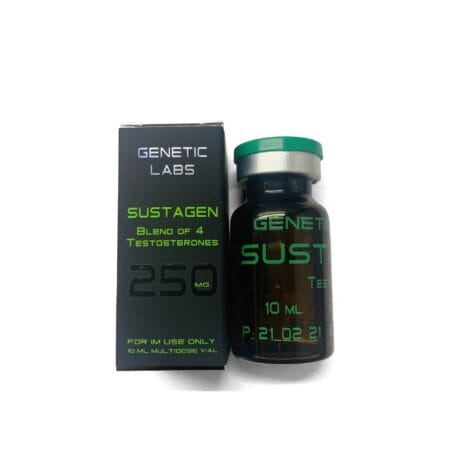
Sustanon 250 and the Testo Mix 400 blends combine multiple esters (propionate, phenylpropionate, isocaproate, decanoate, sometimes enanthate) in a single vial. The marketing pitch is a smooth continuous release; the pharmacokinetic reality is that hitting a truly flat blood level with a multi-ester product requires injecting every 3–4 days, not once a week.
Picking the right ester for the job
The choice sits on three axes: how often you’re willing to inject, how fast you need to be able to adjust the dose, and how tolerant your injection sites are to the local irritation.
Propionate — pick this if fast adjustment matters (aggressive contest prep, first-time users testing tolerance) or if you need a short washout before PCT. Downsides: every-other-day injections, and PIP that can shut down leg training for the first two weeks.
Enanthate or cypionate — the default for essentially any first cycle and for most experienced-user cycles. Once-weekly (cypionate) or twice-weekly (enanthate) works, smooth serum profile after 3–4 weeks of loading, minimal PIP, cheap and universally available.
Phenylpropionate (TPP) — a niche middle ground. Less PIP than propionate, faster fine-tuning than enanthate. Not a first-cycle compound because supply is patchier and quality control on grey-market TPP is inconsistent.
Undecanoate — TRT context only, not for cycles. The 12-week half-life means dose adjustments take months to show up.
Sustanon or Testo Mix 400 — reasonable if you’re comfortable injecting every 3–4 days. Frustrating if you’re not.
TRT versus supraphysiological doses
The physiological difference between testosterone replacement therapy (TRT) and a supraphysiological cycle is dose. TRT aims to restore serum testosterone to roughly the middle of the physiological range for a healthy young adult: 500–900 ng/dl total testosterone, with sensitive estradiol in the 20–40 pg/ml range. Weekly dose is typically 100–200 mg testosterone enanthate or cypionate.
Supraphysiological cycles run 300–1000 mg/week or higher, producing serum testosterone in the 1500–4000+ ng/dl range. The side-effect profile changes with dose: at TRT levels, most users see minor cosmetic changes and stable long-term markers. At supraphysiological levels, hematocrit rises (phlebotomy at > 52%), estradiol climbs (management with an AI or diet), lipid profile drifts (HDL down 20–40%), and endogenous testosterone production drops to essentially zero for the cycle duration.
Neither dose range is “safe” in an absolute sense. TRT is medically supervised and adjusted to bloods; cycle doses are usually neither. The single biggest predictor of a good long-term outcome is whether the user actually gets bloods done and adjusts based on them.
Common side effects across all forms
Because the active molecule is the same (plain testosterone) across every ester, the side-effect profile lines up regardless of which vial the compound arrives in:
Water retention (estradiol-driven), sometimes visible in the face
Acne on the face and upper back, dose-dependent
Blood pressure creeping up (systolic +5 to +15 mmHg average at cycle doses)
Rising hematocrit — phlebotomy line at 52–54%
Hair loss where genetically predisposed
Prostate enlargement with a rising PSA (relevant from age 30+)
Gynecomastia through aromatisation (managed with an AI or a SERM)
Full suppression of endogenous testosterone production on cycle
PCT and HCG timing
The exit strategy from any testosterone cycle depends on the longest ester in play. Practical PCT start:
Propionate — 3–4 days after the last shot
Phenylpropionate — 7 days
Enanthate — 14–18 days
Cypionate — 18–21 days
Multi-ester blends (Sustanon, Testo Mix 400) — 3 weeks (the decanoate sets the clock)
Standard PCT: SERM across 4–6 weeks. Tamoxifen 20 mg daily or clomiphene 25 mg daily, sometimes both in reduced doses. HCG in the last 2–3 weeks of the cycle at 500–1000 IU every 3 days primes the testes for the restart — worth adding for cycles over 10 weeks or for users on their third-plus cycle where axis recovery is getting slower.
Legal picture
Testosterone is a Schedule III controlled substance under US federal law and a Class C drug in the UK. Prescription-only across all EU member states. TRT is a legitimate medical indication; supraphysiological cycles are outside the licensed use of any testosterone product on the market. Purchase without a prescription is illegal in all three jurisdictions; personal-use possession usually sits at the misdemeanour level, distribution at the felony level.
WADA Prohibited List, category S1.1 (Anabolic Agents), banned at all times. Detection through LC-MS/MS with IRMS backup (isotope-ratio mass spectrometry) when an endogenous-origin explanation has to be ruled out. All esters are automatically covered by the ban.
What we carry in the Testosterone section
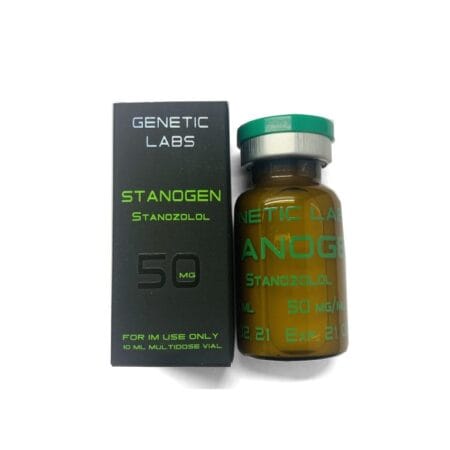
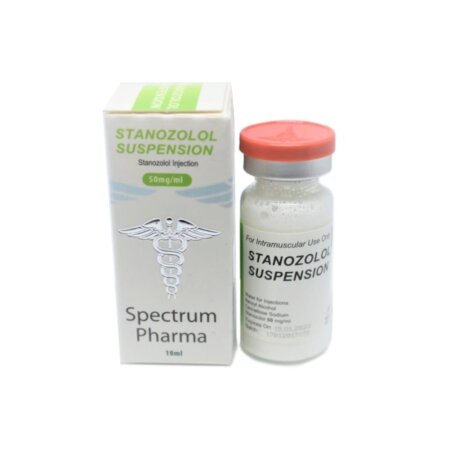
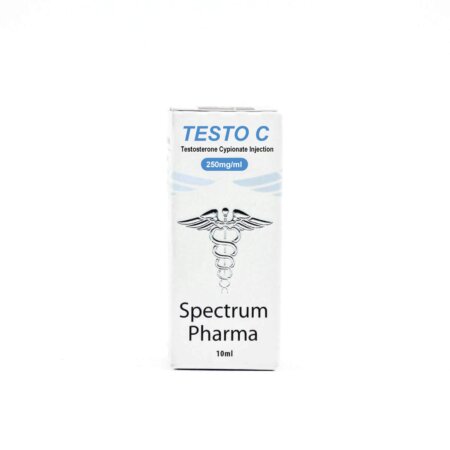
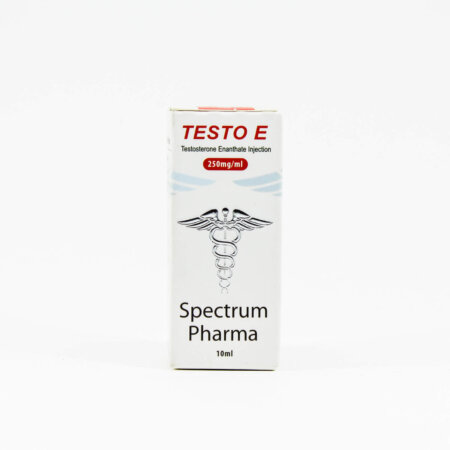
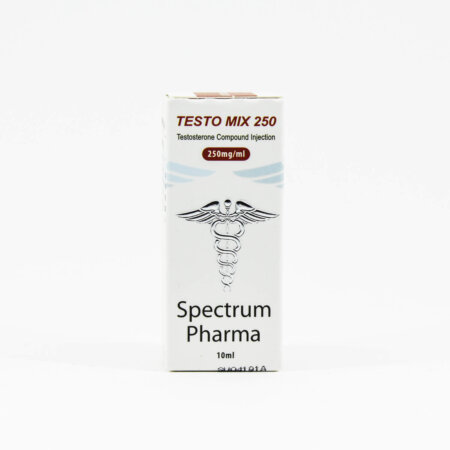
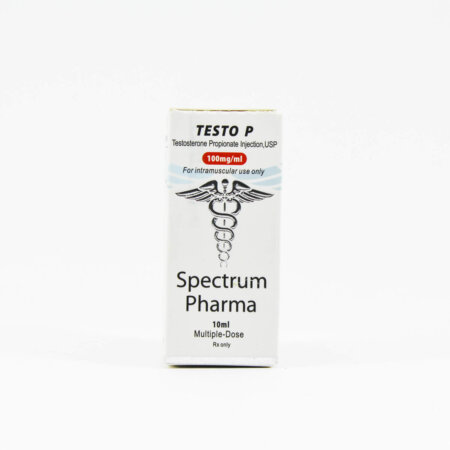
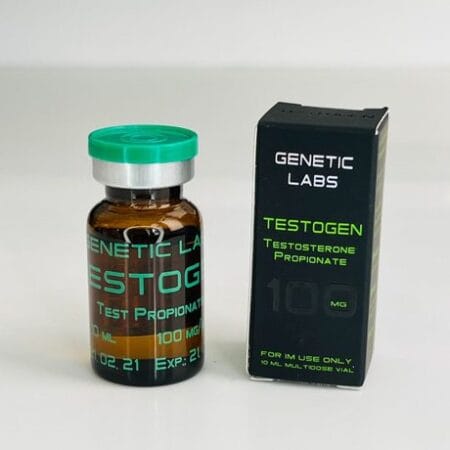
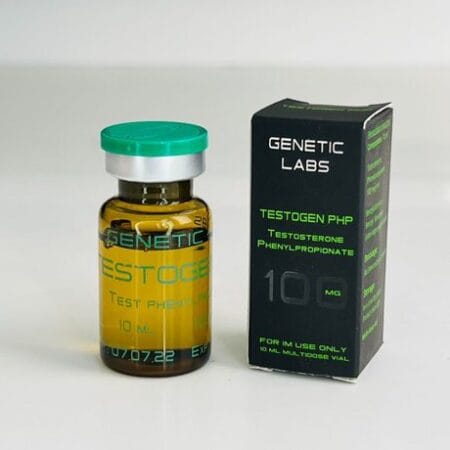
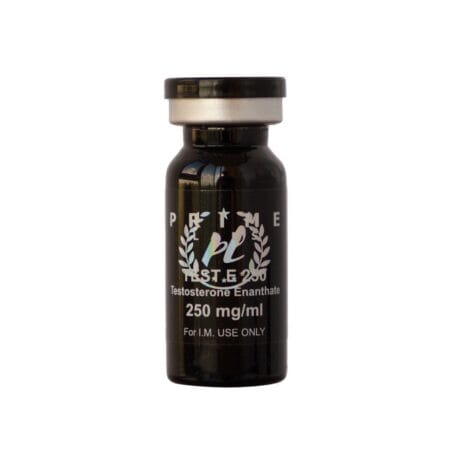
Sub-categories under this hub include Testosterone Enanthate, Testosterone Cypionate, Testosterone Propionate, Testosterone Phenylpropionate, Testosterone Suspension, Undecanoate, Sustanon and blend products like Testo Mix. Individual product pages carry the specific ester’s half-life, dose windows and injection frequency, plus the PCT timing for that particular ester. Brands stocked in the section include Magnus, Prime, Pharmacom, Genetic Labs and Spectrum Pharma via the USA-domestic supply route.